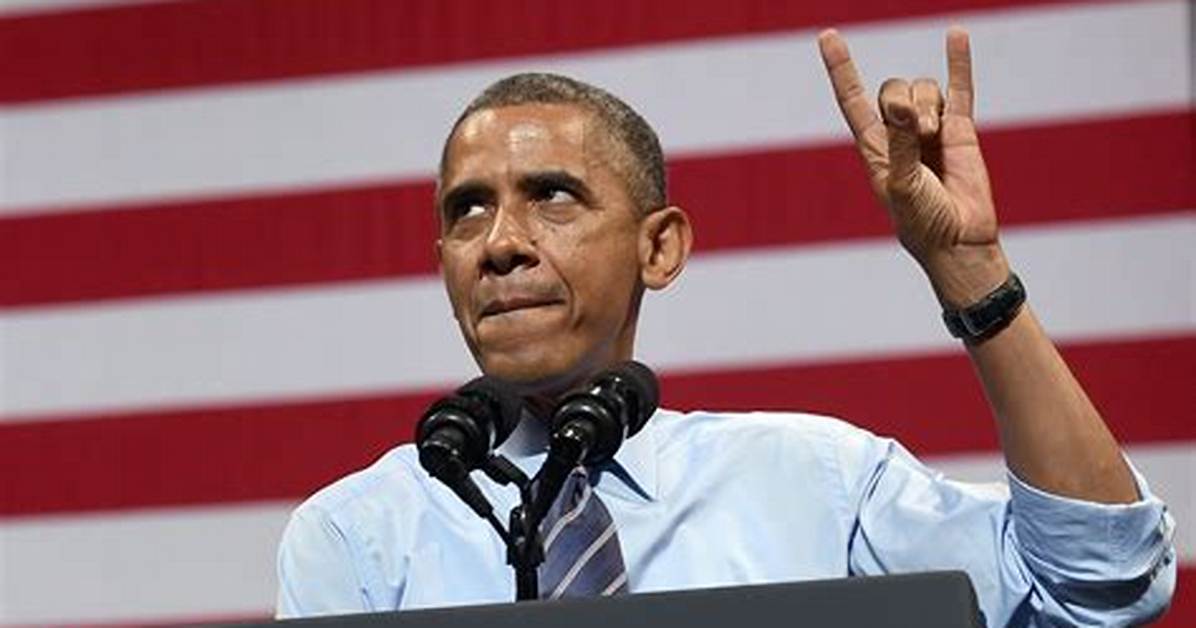
Barack Obama, the 44th President of the United States, is renowned not only for his eloquent speeches but also for his distinctive hand gestures that accompany his rhetoric. These gestures play a crucial role in enhancing his messages, making them more engaging and impactful. In this article, we will delve into the significance of Obama's speech hand gestures, their psychological effects on audiences, and how they contribute to effective communication.
Throughout his political career, Obama has consistently used hand gestures to emphasize points, express emotions, and connect with his audience. Understanding the nuances of these gestures offers valuable insights into the art of public speaking. We will explore various aspects of his gestural communication, drawing from psychological studies and expert analyses.
This comprehensive guide will not only highlight Obama's most notable hand gestures but also provide practical tips for improving your own public speaking skills. Whether you're a budding orator or simply interested in the mechanics of effective communication, this article aims to equip you with knowledge that can enhance your speaking prowess.
The Importance of Hand Gestures in Communication
Hand gestures play a vital role in enhancing verbal communication. They serve as non-verbal cues that can reinforce or contradict spoken words. Research has shown that effective use of gestures can:
- Increase audience engagement
- Clarify complex ideas
- Convey emotions and enthusiasm
- Establish credibility and authority
In the context of public speaking, gestures can help to break down barriers between the speaker and the audience, fostering a sense of connection and relatability.
Obama's Signature Hand Gestures
Barack Obama employs a range of hand gestures that have become synonymous with his speaking style. Some of his most notable gestures include:
1. The Open Palm Gesture
This gesture, where Obama extends his palm outward, signifies openness and honesty. It invites the audience to engage with his message and suggests a willingness to share ideas.
2. The Pointing Gesture
Obama often uses pointing to emphasize key points or direct attention to specific audience members. This gesture can create a sense of urgency and importance around the topic being discussed.
3. The Steeple Gesture
The steeple gesture, where fingers are interlocked and pointed upwards, conveys confidence and authority. It is often used when making strong assertions or presenting compelling arguments.
4. The Circular Motion
When Obama makes circular hand motions, he is often illustrating concepts or ideas that are interconnected. This gesture helps to visualize complex relationships and can enhance understanding.

