In the realm of digital media, various formats are used to store and play video content, each with its unique characteristics and advantages. One such format that has garnered attention and popularity among film enthusiasts and casual viewers alike is MKV. But what does MKV mean in movies, and why should you care about it? This article delves into the intricacies of the MKV format, exploring its significance in the world of cinema and digital media.
MKV, short for Matroska Video, is an open-source multimedia container format that is designed to store multiple video, audio, and subtitle tracks in a single file. This flexibility makes MKV an appealing choice for filmmakers, video editors, and consumers who seek high-quality playback without sacrificing convenience. With the increasing demand for high-definition content and the shift towards digital media consumption, understanding the meaning of MKV in movies can enhance your viewing experience and knowledge of video formats.
Whether you are a film buff, a budding filmmaker, or simply someone who enjoys watching movies, knowing the ins and outs of MKV can be immensely beneficial. As we explore the meaning of MKV in movies, we'll cover its advantages, potential drawbacks, and how it compares to other popular video formats. By the end of this article, you'll have a comprehensive understanding of MKV and its relevance in today’s cinematic landscape.
What is MKV and How Does It Work?
The MKV format, or Matroska Video, is a versatile container format that can hold various video, audio, and subtitle tracks within a single file. It is similar to other container formats like AVI or MP4, but it offers several unique features that make it particularly attractive for multimedia applications.
What are the Key Features of MKV?
- Multiple Tracks: MKV supports multiple video, audio, and subtitle tracks, allowing for a richer viewing experience.
- High Quality: MKV is capable of storing high-definition video and audio, making it ideal for films and series.
- Open Source: Being an open-source format, MKV is continually developed and improved by a community of developers.
- Metadata Support: MKV files can include metadata such as chapter information, cover art, and more.
How Does MKV Compare to Other Formats?
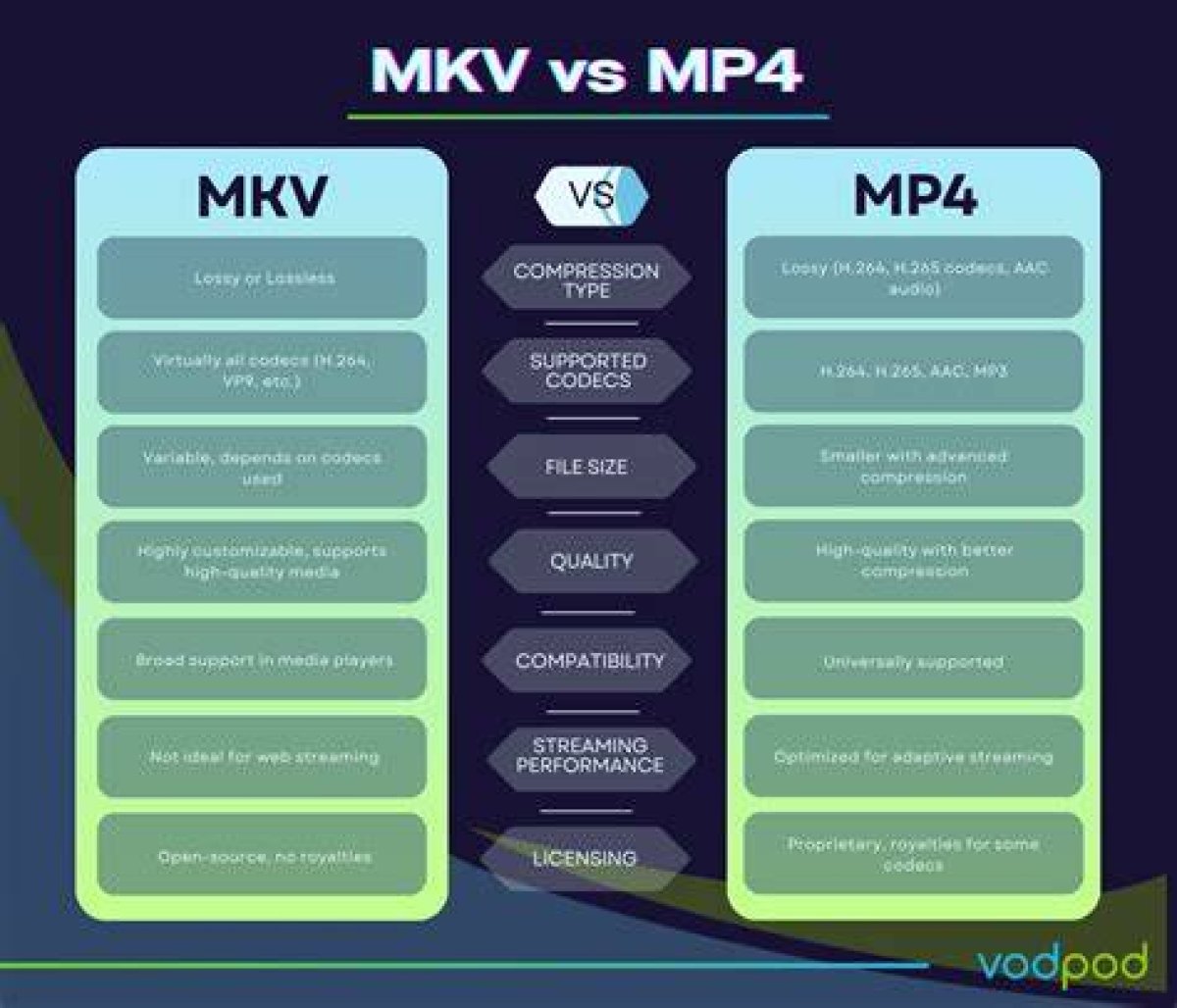
When discussing the meaning of MKV in movies, it’s essential to compare it with other popular formats. While formats like MP4 are widely used for their compatibility across devices, MKV shines in terms of flexibility and richness of content. MP4 files may support limited audio and subtitle tracks, while MKV can handle multiple tracks seamlessly. This makes MKV a preferred choice for film enthusiasts who want a complete viewing experience.
Why is MKV Popular Among Filmmakers?
Filmmakers and video editors often gravitate towards MKV due to its ability to handle high-quality video and audio. The format's support for various codecs means that filmmakers can choose the best options for their projects without worrying about losing quality during compression.
What Are the Advantages of Using MKV in Movies?
- Flexibility: MKV can contain various codecs and formats, making it adaptable to different content types.
- High Compression Rates: MKV allows for high-quality video compression, which means smaller file sizes without sacrificing quality.
- Wide Compatibility: Many media players and devices support MKV, making it accessible for audiences.
Are There Any Drawbacks to MKV?
While MKV has many advantages, it is not without its drawbacks. Some media players may struggle with MKV files, leading to compatibility issues. Additionally, MKV files can be larger than other formats, which may be a concern for users with limited storage space. Understanding these pros and cons can help you make informed decisions about using MKV for your movie-watching experience.

