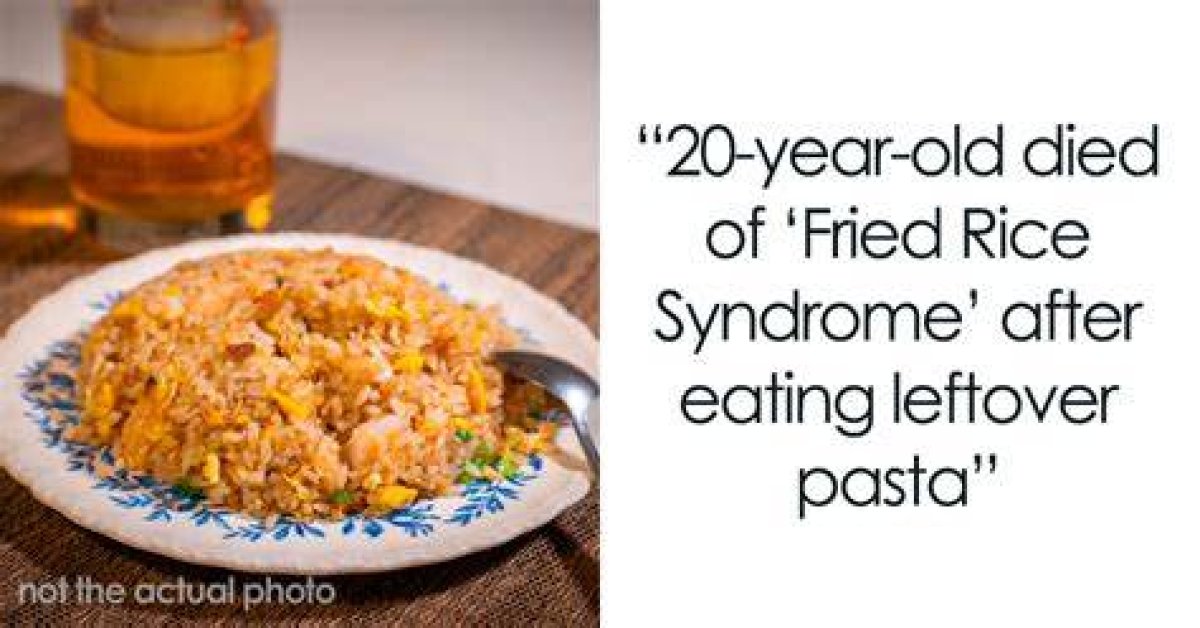
Fried rice syndrome, a term rarely associated with pasta, is an intriguing food safety concern that warrants attention. Often overlooked, this syndrome results from a specific type of bacteria that can proliferate in improperly stored cooked foods, leading to foodborne illness. While commonly linked to rice, the phenomenon does not spare pasta, which can become a breeding ground for bacteria if mishandled. Understanding the risks associated with fried rice syndrome in pasta is crucial to ensuring safe consumption and preventing potential outbreaks.
The term "fried rice syndrome" might evoke images of Asian cuisines, yet its implications extend far beyond. This syndrome is primarily caused by Bacillus cereus, a bacterium that thrives in starchy foods like pasta and rice left at room temperature for extended periods. When cooked pasta is not promptly refrigerated, the bacterium can multiply rapidly, producing toxins that lead to gastrointestinal distress. Exploring the connection between this syndrome and pasta provides valuable insights into food safety practices and highlights the importance of proper storage and reheating methods.
In this comprehensive article, we delve into the nuances of fried rice syndrome as it pertains to pasta, examining the science behind the bacteria responsible, identifying symptoms of the illness, and exploring preventive measures. By drawing on expert knowledge and credible sources, we aim to empower readers with the information necessary to enjoy pasta safely. With a balanced mix of scientific explanation and practical advice, this article serves as both a cautionary tale and a guide to better food handling practices.
Understanding Fried Rice Syndrome
Fried rice syndrome is a colloquial term describing food poisoning caused by the consumption of starchy foods contaminated with Bacillus cereus. Though the name suggests a focus on rice, the syndrome equally applies to pasta and other starch-rich foods. This bacterium is ubiquitous, commonly found in soil, vegetation, and even in the air. It can survive the cooking process due to its heat-resistant spores, which germinate and multiply if food is left at ambient temperatures.
The syndrome underscores the importance of understanding the life cycle of Bacillus cereus and its preferred conditions for growth. The bacterium thrives in environments where food is cooked and then left to cool slowly, providing an ideal breeding ground. The toxins produced, particularly the emetic toxin, are resistant to heat, meaning reheating the food may not render it safe once contaminated.
To fully grasp the impact of fried rice syndrome, it is essential to explore the various strains of Bacillus cereus and their mechanisms of action. The emetic strain, known for causing vomiting, and the diarrheal strain, associated with diarrhea and abdominal cramps, represent distinct pathways through which the bacterium affects human health. By delving into the biology of these strains, we can better appreciate the potential hazards they pose.
The Bacteria Behind the Syndrome
Bacillus cereus is a gram-positive, rod-shaped bacterium that forms spores capable of withstanding extreme conditions. These spores are particularly resilient, surviving high temperatures and even some disinfectants. In the context of fried rice syndrome pasta, the spores can germinate into active bacteria when the food is left in a warm environment post-cooking.
The bacterium is responsible for two types of illnesses: the emetic (vomiting) syndrome, caused by a toxin known as cereulide, and the diarrheal syndrome, resulting from enterotoxins produced in the small intestine. The emetic toxin is pre-formed in food, and consumption leads to rapid onset of symptoms, typically within 1 to 5 hours. In contrast, the diarrheal syndrome manifests later, often 8 to 16 hours after ingestion, as the bacteria grow in the gut and release toxins.
Understanding the conditions conducive to the growth of Bacillus cereus is crucial for prevention. The bacterium proliferates in temperatures between 10°C and 50°C (50°F to 122°F), with optimal growth occurring around 30°C to 37°C (86°F to 98.6°F). This temperature range often includes the ambient temperatures at which cooked pasta is inadequately stored, making it susceptible to contamination.

