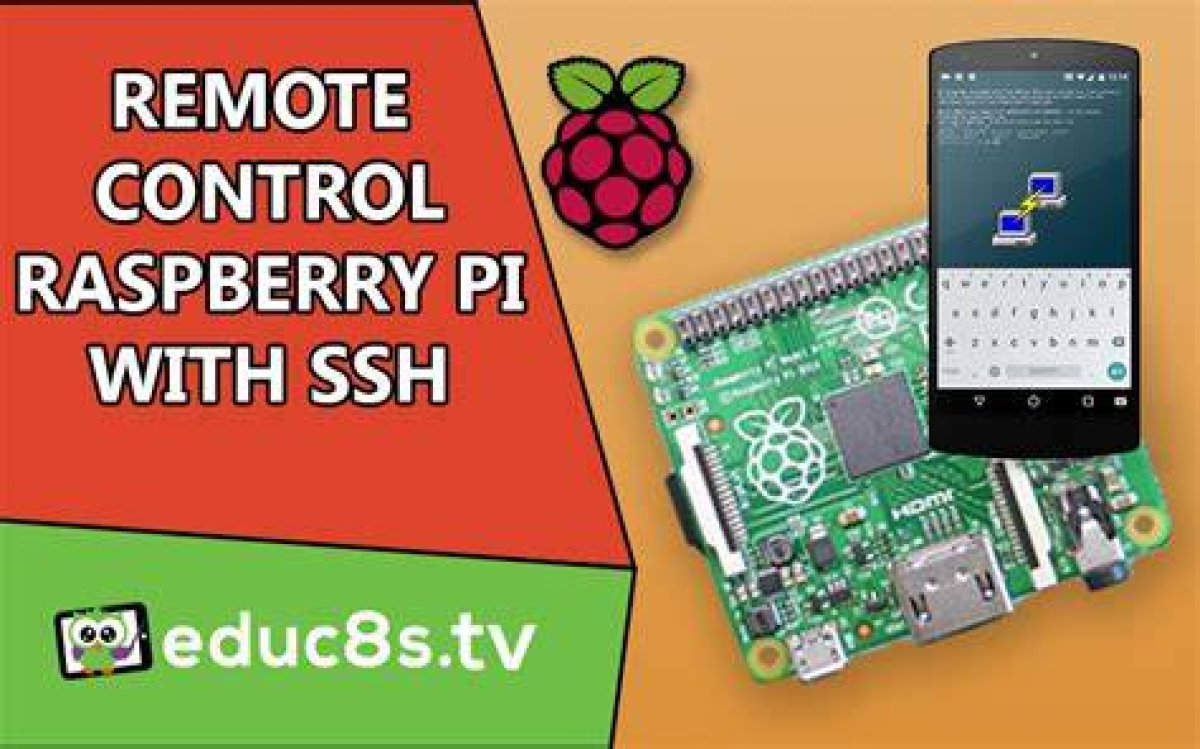
In the era of the Internet of Things (IoT), managing devices remotely has become crucial for both hobbyists and professionals. Remote IoT platform SSH Raspberry Pi offers a powerful solution for secure device management. Whether you're building a smart home system or monitoring industrial sensors, understanding how to use SSH on a Raspberry Pi can significantly enhance your IoT capabilities.
As technology continues to evolve, the demand for remote access solutions is skyrocketing. IoT devices are no longer limited to local networks; they need to be accessible from anywhere in the world. This is where SSH (Secure Shell) comes into play, providing a secure method to control and manage Raspberry Pi-based IoT platforms.
This comprehensive guide will walk you through everything you need to know about setting up a remote IoT platform using SSH on a Raspberry Pi. From configuring SSH to ensuring security, we'll cover all aspects to help you build a robust and reliable system.
Introduction to Remote IoT Platform SSH Raspberry Pi
Remote IoT platform SSH Raspberry Pi is a powerful combination that allows users to manage and control IoT devices from anywhere. SSH provides a secure communication channel, ensuring that sensitive data is protected during transmission. This setup is particularly useful for applications such as home automation, environmental monitoring, and industrial control systems.
SSH eliminates the need for physical access to the Raspberry Pi, saving time and resources. By leveraging SSH, users can perform tasks such as file transfers, script execution, and system updates remotely. This flexibility is essential for modern IoT deployments, where devices are often located in remote or inaccessible locations.
Overview of Raspberry Pi for IoT Applications
The Raspberry Pi is a popular choice for IoT projects due to its affordability, versatility, and ease of use. It supports a wide range of sensors, actuators, and communication protocols, making it an ideal platform for building IoT solutions.
Key Features of Raspberry Pi
- Compact size and low power consumption
- Support for multiple operating systems, including Raspbian and Ubuntu
- Built-in GPIO pins for connecting hardware components
- Compatibility with wireless communication modules (Wi-Fi, Bluetooth)
These features make the Raspberry Pi a versatile tool for developing IoT applications. Whether you're building a simple weather station or a complex industrial monitoring system, the Raspberry Pi can handle the task efficiently.

