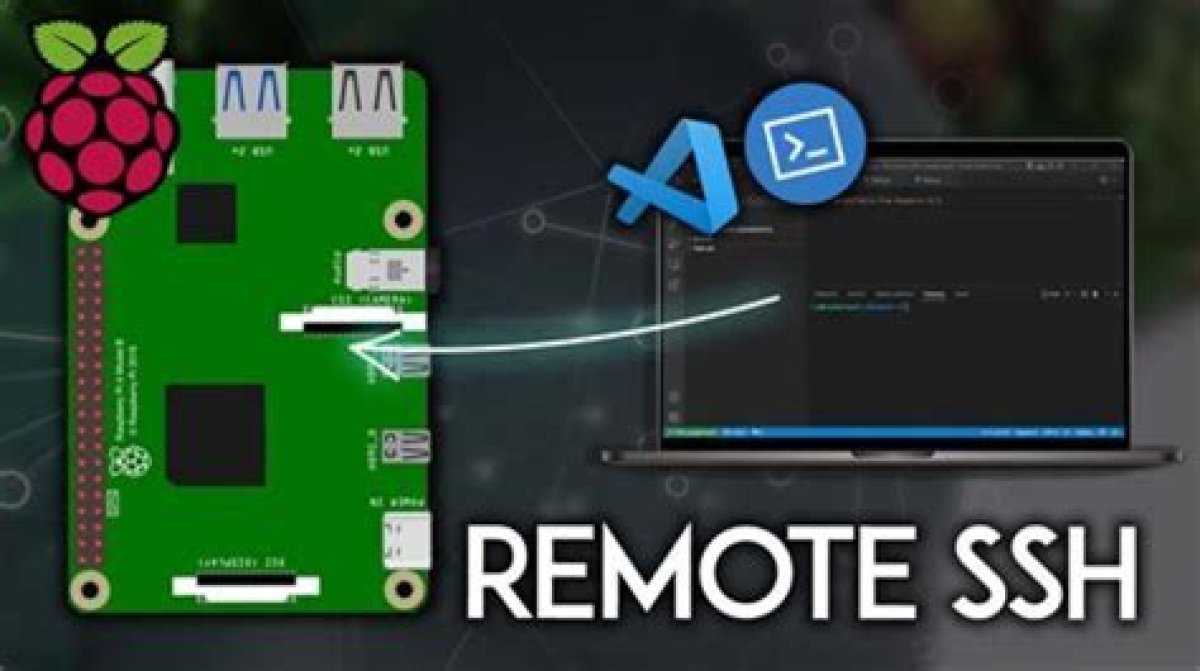
SSH Remote IoT Device Raspberry Pi Free Download has become an increasingly popular topic for developers and hobbyists alike. With the growing demand for Internet of Things (IoT) applications, leveraging Raspberry Pi for remote access has never been more important. This guide will walk you through everything you need to know about setting up and using SSH for remote IoT devices on Raspberry Pi.
Whether you're a seasoned developer or just starting your journey into IoT, this article is designed to provide valuable insights into making the most out of your Raspberry Pi setup. From understanding SSH basics to advanced configurations, we'll cover everything step by step.
In today's interconnected world, being able to control and monitor IoT devices remotely is essential. This is where SSH (Secure Shell) comes into play, offering secure access to your Raspberry Pi from anywhere in the world. Let's dive deeper into how you can achieve this seamlessly.
Introduction to SSH
SSH, or Secure Shell, is a cryptographic network protocol that allows users to securely access remote devices over an unsecured network. It provides a secure channel for communication between two devices, ensuring data integrity and confidentiality.
SSH is widely used in the tech industry for managing servers, deploying applications, and accessing IoT devices remotely. By leveraging SSH, you can control your Raspberry Pi from anywhere in the world, making it an indispensable tool for IoT enthusiasts and professionals alike.
Some of the key features of SSH include:
- Encryption for secure data transfer
- Authentication mechanisms to verify user identity
- Support for file transfers via SFTP (Secure File Transfer Protocol)
Raspberry Pi Overview
Raspberry Pi is a small, affordable computer that has gained immense popularity among developers, educators, and hobbyists. It is a versatile platform that can be used for a wide range of applications, including IoT projects, media centers, and robotics.
Raspberry Pi comes in various models, each with its own set of features and capabilities. The latest models offer improved performance, better connectivity options, and enhanced hardware specifications, making them ideal for IoT applications.
One of the standout features of Raspberry Pi is its ability to run a variety of operating systems, including Raspbian, Ubuntu, and others. This flexibility allows users to tailor their setup to suit their specific needs, whether it's for home automation, data logging, or remote monitoring.

