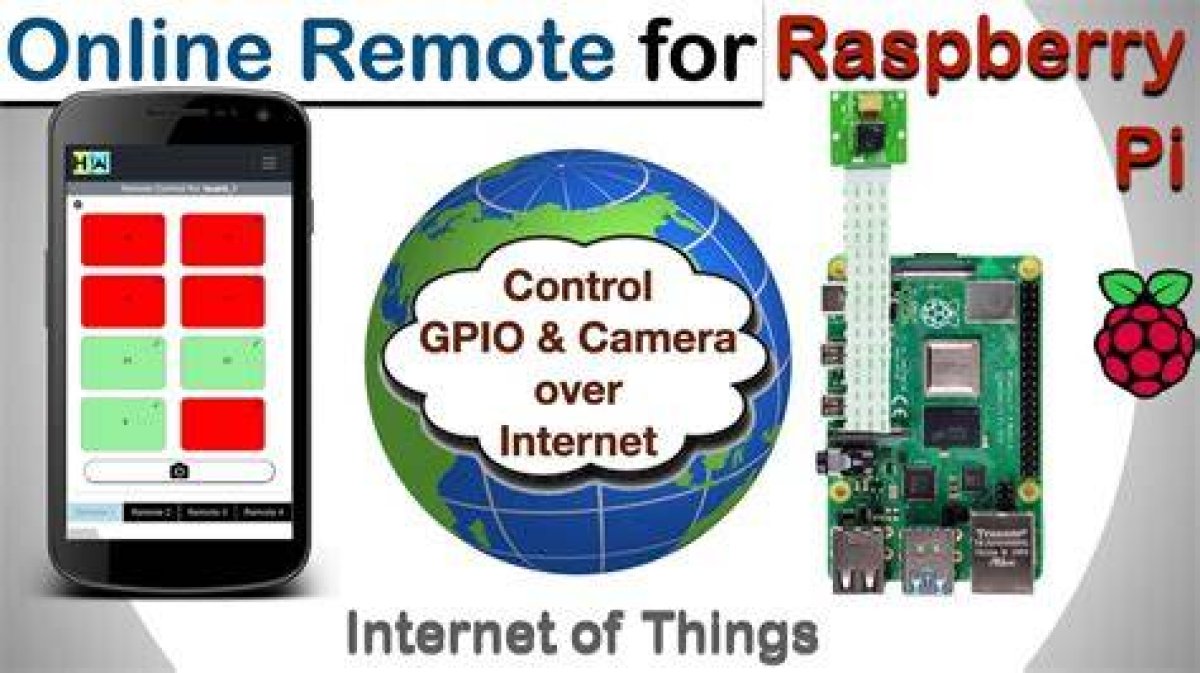
With the rise of the Internet of Things (IoT), the demand for efficient and cost-effective remote IoT platforms has surged. Raspberry Pi, as one of the most popular single-board computers, plays a pivotal role in enabling developers to create innovative IoT projects. In this article, we will explore the best remote IoT platform free for Raspberry Pi, offering you a detailed guide to help you choose the right solution for your needs.
IoT platforms are essential tools that simplify the development and deployment of IoT projects. For hobbyists, students, and professionals looking for budget-friendly options, finding the best remote IoT platform free for Raspberry Pi is crucial. These platforms offer robust features such as data visualization, device management, and cloud integration, making them indispensable for IoT enthusiasts.
In this guide, we will delve into various remote IoT platforms, their functionalities, and how they integrate seamlessly with Raspberry Pi. Whether you're a beginner or an experienced developer, this article will provide valuable insights to enhance your IoT projects. Let's get started!
Introduction
The Internet of Things (IoT) has transformed the way we interact with technology. From smart homes to industrial automation, IoT applications are becoming increasingly prevalent. A key component of IoT systems is the platform that manages devices, processes data, and facilitates communication. For those working with Raspberry Pi, finding the best remote IoT platform free is essential for creating scalable and affordable solutions.
Raspberry Pi, with its affordability and versatility, is widely used in IoT projects. By combining Raspberry Pi with a reliable IoT platform, developers can unlock the full potential of their projects. This article will guide you through the selection process, highlighting the best options available.
Overview of IoT Platforms
An IoT platform acts as the backbone of any IoT system, providing essential services such as device management, data analytics, and connectivity. These platforms bridge the gap between physical devices and cloud services, enabling seamless communication and data exchange.
Key Functions of IoT Platforms:
- Device Management: Monitor and control connected devices.
- Data Processing: Analyze and interpret data from sensors and devices.
- Cloud Integration: Connect devices to cloud services for advanced processing.
- Security: Ensure secure communication between devices and the platform.

